Mt Baw Baw Alpine Resort is the closest major snowfield to Melbourne & Mornington Peninsula. The snowfields are situated on the edge of the baw baw Plateau & have spectacular views across West Gippsland towards Bass Straight & Western Port Bay.
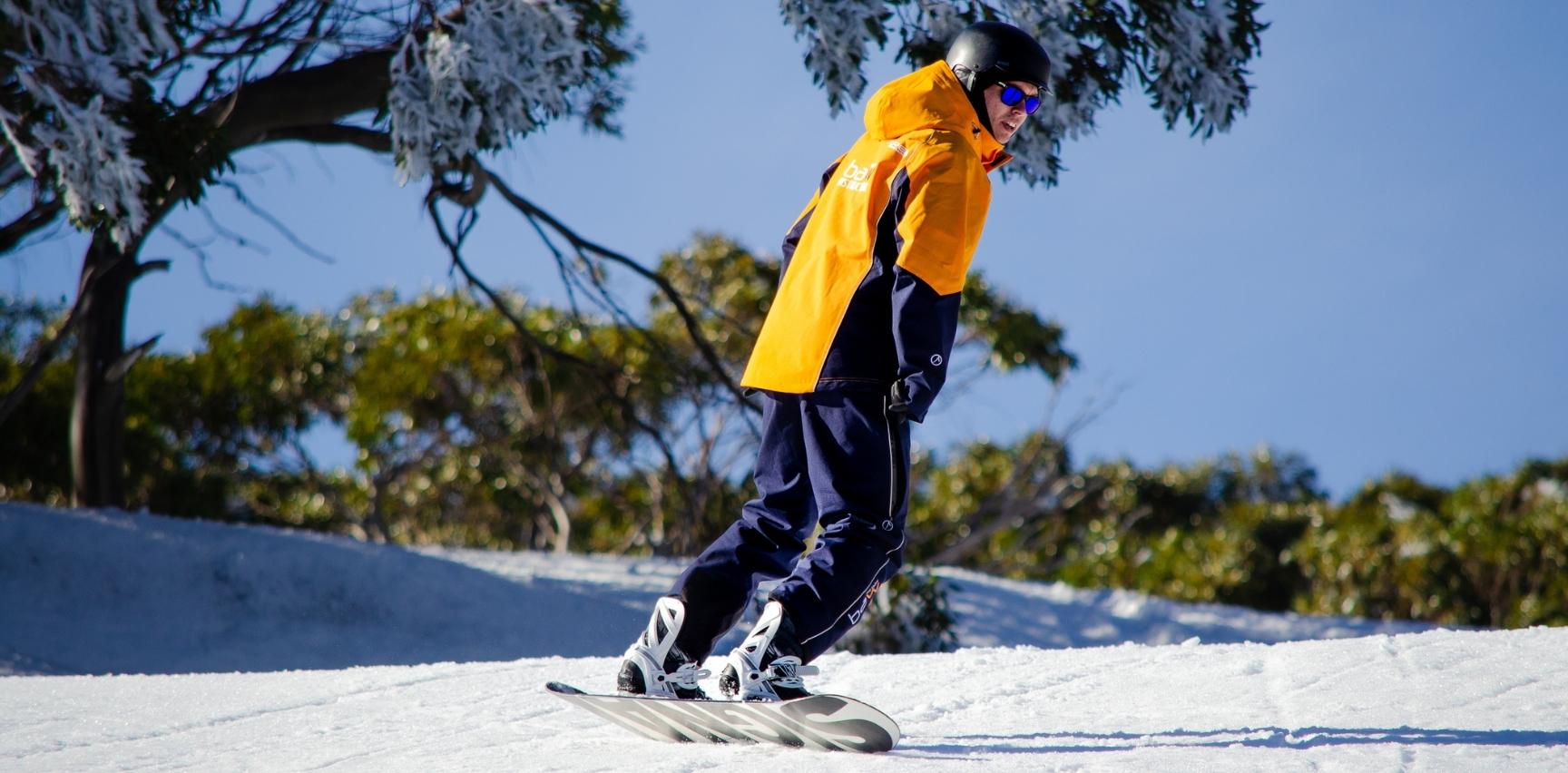
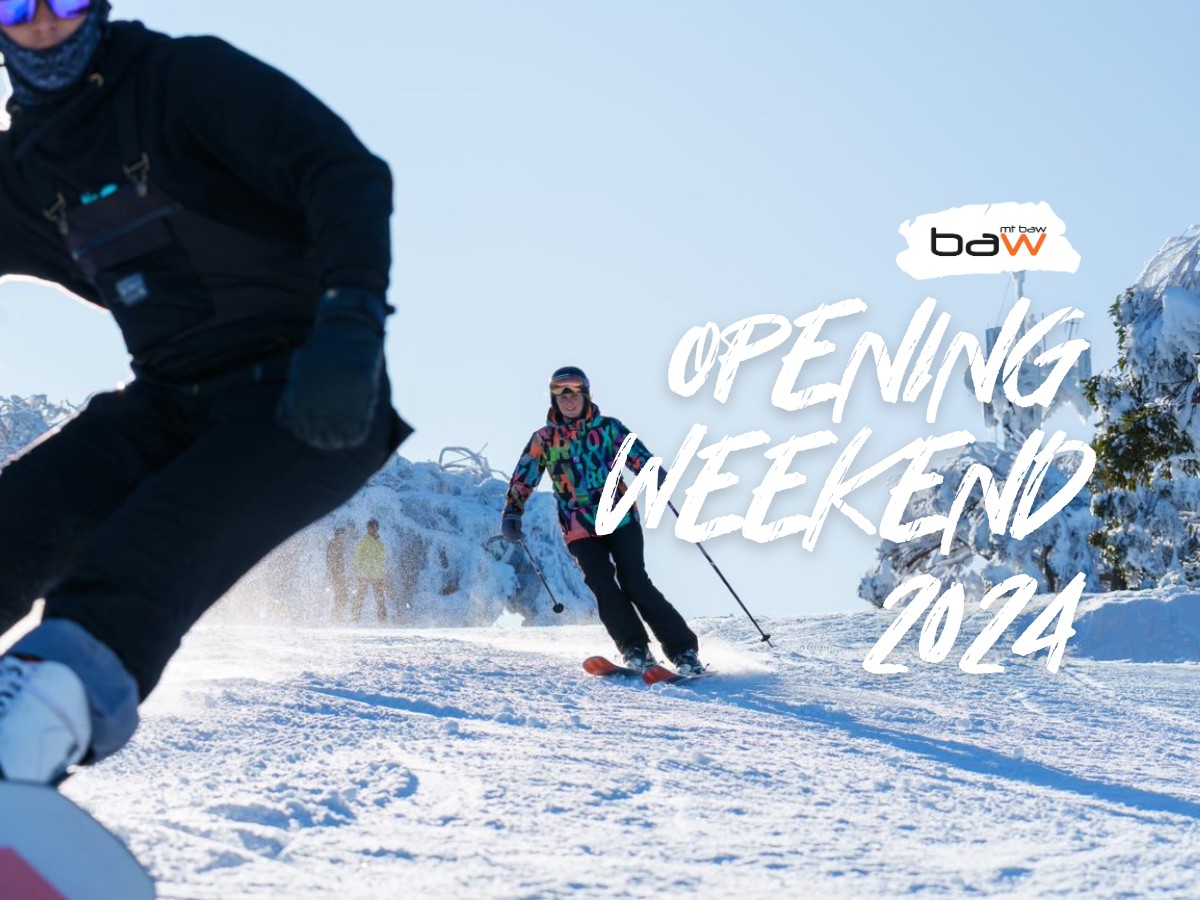
Given the nature of the terrain & the lift network, Mt Baw Baw snowfields are ideal for the snowboarder, downhill & cross country skier. With 35 hectares of groomed runs, seven ski lifts, three snowplay areas, 10kms of groomed x-country ski trails & unlimited terrain amongst the snowgums to explore, you will be hard pressed to find a better outdoor venue so close to Melbourne.
The village, with its friendly atmosphere and modern facilities caters for the day tripper and long term visitor. With accommodation, ski hire, food outlets, retail, medical & information centres all within easy walking distance of the car parks, the village is an ideal base from which to explore the surrounding area.
Located about 120 km east of Melbourne and 50 km north of the Latrobe Valley. Mount Baw Baw Alpine Village and the 13,300 hectare Baw Baw National Park are the closest ski resorts to Melbourne. The area is typical of Australian alpine regions being characterised by low lying grasses, snow gums and heathlands.
The area is reputedly named after a local Aboriginal word possibly meaning 'echo'. It was opened up and settled in the 1880s and 1890s largely as a result of the gold discoveries in the area. Today the area is a popular ski resort in the winter months and the rich variety of walking tracks attract bushwalkers during summer!
So where did it all start? Mt Baw Baw was first ascended in 1860 by Baron Von Mueller (who in 1953 was appointed government botanist in Melbourne by Lieutenant-Governor Charles La Trobe.) . A mere 2 years later Gold was discovered and the area where there was an influx of miners and a track was opened up via the Yarra track from Melbourne. Despite its great beauty the miners avoided the Baw Baw plateau, which distinguished itself as being too cold and wet, and with no trace of the precious metal that would have made such hardships tolerable. By 1882, there was a track all the way up to Mt Baw Baw. This track gave access to the plateau to a growing number of people with an interest in natural history. The glory of these mountains were the giant trees, mainly Mountain Ash (Eucalyptus regnans), which were among the tallest in the world.
As the mountain forests became more accessible, a growing number of people came to appreciate their intrinsic beauty and value, and to seek their protection for the benefit of future generations.
The 1939 fires had opened up the slopes for cross-country skiers. In 1944 the Mt. Erica division of the Ski Club of Victoria was formed. The construction of a road to Neulyne’s sawmill below the present Alpine Village improved access and the huts at the mill were used by skiers from 1948. Public interest in Mt. Baw Baw as a snow resort grew rapidly.
In 1949 the Town & Country Planning Association of Victoria proposed that a national park be created to protect the Baw Baw plateau. Many years later, the VNPA recommended the inclusion of Mt. Baw Baw in its concept for an Alpine National Park.
In 1977, the LCC recommended the reservation of 13,300 hectares covering the plateau and adjacent country in the Thomson and Aberfeldy river valleys as a national park. The Baw Baw National Park was proclaimed on 26 April 1979. The LCC further recommended the reservation of a separate alpine resort including the Baw Baw Village. The Mt. Baw Baw Alpine Resort comprising 335 hectares was proclaimed on 30 April 1986 under the provisions of the Alpine Resorts Act.
Mt Baw Baw Plateau is about 20km long, extending from Mt Erica (1524m) at the southern end to Mt Whitelaw (1486m).
Aboriginal people first settled the periphery of the high country perhaps 17,000 years ago, and the higher valleys of the alpine region from perhaps 4,000 years ago.
Animal life is a plenty. See if you can catch a glimpse of Wombats, echidnas, possums and bandicoots. If you are lucky you may see the cherished Baw Baw frog. Bird life is more noticeable with such species as Flame Robin and Pied Currawong being frequently seen, even in the Winter months.
The characteristic vegetation of the plateau is the sub alpine woodland dominated by the snow gum, Euc. pauciflora. This gives a park-like appearance to the area with a ground cover of snow grass Poa spp. Unlike many alpine areas which are treeless, snowgums grow to the summits of the mountains. Snow daisies, trigger plants, etc., and the variety of orchids make a spectacular display in the spring and summer.
For more information about Mt Baw Baw, download information from here.